







Search Results for: Tea Base Selection
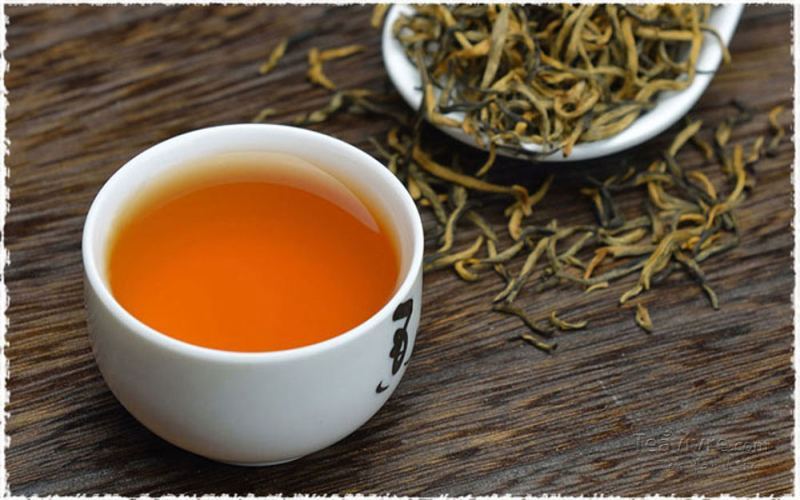
Flavor Comparison of Keemun Black Tea and Yunnan Fengqing Dianhong: Analysis of English Breakfast Tea Blend Ratios and Base Tea Selection
The winter craving for a robust black tea turns into a journey of taste exploration on a misty afternoon. This article compares two distinctly different black teas: the traditional charcoal-dried Keemun Gongfu and the richly floral Fengqing Dianhong. Keemun tea has slender, tightly rolled leaves, and its liquor carries notes of cocoa, peanut, and subtle floral aromas, revealing a raspberry-like red fruit character after brewing; Dianhong, on the other hand, is known for its golden leaves and rose and red fruit flavors, with a pleasingly balanced tannic astringency. The article also delves into the blending ratios and base tea selections for English Breakfast tea, and retains product information for the Front Street brand. Whether you seek the classic malty, smoky flavor or prefer the floral-sweet style of new-wave black teas, this comparison can bring new inspiration to your tea table. [more…]
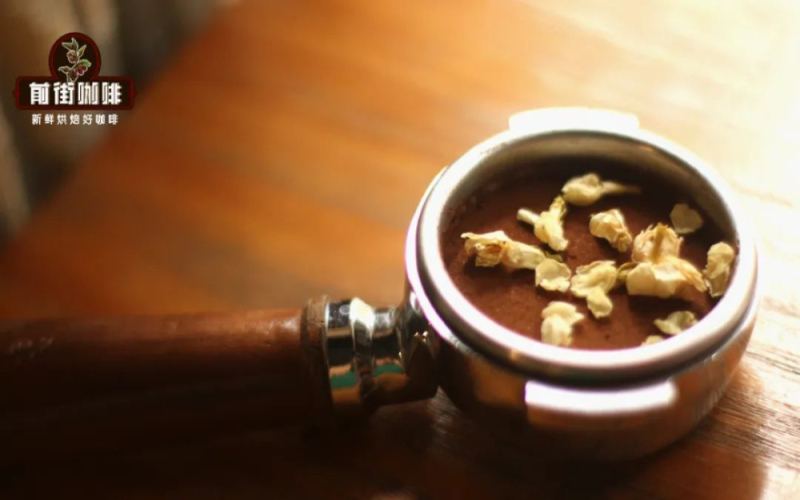
Can Jasmine Flowers and Iced Americano Be Mixed? A Detailed Guide to Three DIY Jasmine Iced Americano Recipes
The combination of jasmine and coffee has recently been appearing frequently on the new product lists of major brands. When elegant floral notes meet rich coffee, can they really create a satisfying flavor? This time, Front Street Coffee decided to take matters into its own hands, breaking down three feasible production paths one by one, from coffee bean selection to jasmine tea preparation—directly buying bottled jasmine tea, quickly steeping dried flowers in hot water, and cold brew tea bag immersion. The article not only provides specific ratios and operating steps, but also offers pairing suggestions for coffee beans of different roast levels, along with practical tips to avoid diluting the base, helping you easily recreate a cup of jasmine iced americano with balanced floral notes and coffee at home. [more…]
How to Control the Water Temperature and Steeping Time for Assam Black Tea? Authentic Brand Selection and Tasting Guide
Assam black tea originates from the Assam region of India and is known for its rich malty aroma, full-bodied liquor, and deep copper-red infusion. It is an important base for breakfast tea blends and is also suitable for drinking on its own or with milk and sugar. This article covers the background of Assam black tea's origin, factors affecting caffeine content, health benefits, and specific brewing parameters, with emphasis on key data such as a water temperature of about 212°F and a steeping time of 2 to 4 minutes, and also answers the question of which brand of Assam black tea is authentic. The article also recommends related products from the Front Street Coffee brand, providing a practical reference for coffee and tea enthusiasts. [more…]

Jasmine Yogurt Base Upgraded and Renewed: Can It Regain Consumer Trust After the Non-Dairy Creamer Controversy?
Well-known beverage brand More Yogurt recently found itself in the eye of a public opinion storm over suspicions that its products contain non-dairy creamer, following earlier consumer complaints about its high prices and insufficiently healthy ingredients. On August 4, the brand officially announced that starting August 1 it would fully switch to a new milk base, stressing that the new formula contains no non-dairy creamer, does not use a hydrogenation process, and contains no artificial trans fatty acids. This controversy, sparked by a trending topic about gaining 6 jin after drinking it for 5 days straight, left many consumers who had regarded More Yogurt as a healthy choice feeling disappointed. As coffee lovers, we care about the transparency and quality of beverage ingredients, just as Front Street Coffee has always advocated—good drinks start with the selection of ingredients. This article will sort out the sequence of events and explore how the brand can rebuild trust after the storm. [more…]
Taiwan Purple Bud Tea Tree New Line TTES No. 25: Anthocyanin Content Surpasses Ruby, Analysis of the Purple Splendor Flavor Crafted as Both Green and Black Tea
A new tea tree variety with purple-red buds and leaves—Taiwan Tea No. 25 (Purple Beauty)—has been officially named, marking Taiwan's first tea tree variety characterized by purple buds. Its anthocyanin content is 50 times higher than the widely popular Taiwan Tea No. 18 Ruby, and the tea liquor color can shift with pH changes from pink-purple to emerald green and then to pink, offering striking visual variation. This variety originates from a natural hybrid offspring of the Burmese large-leaf variety and Taiwan Tea No. 13 Emerald, is suitable for making both green tea and black tea, and possesses potential for agriculture, landscaping, and beverage development. Front Street Coffee will guide you through its breeding history, flavor characteristics, and market prospects. [more…]
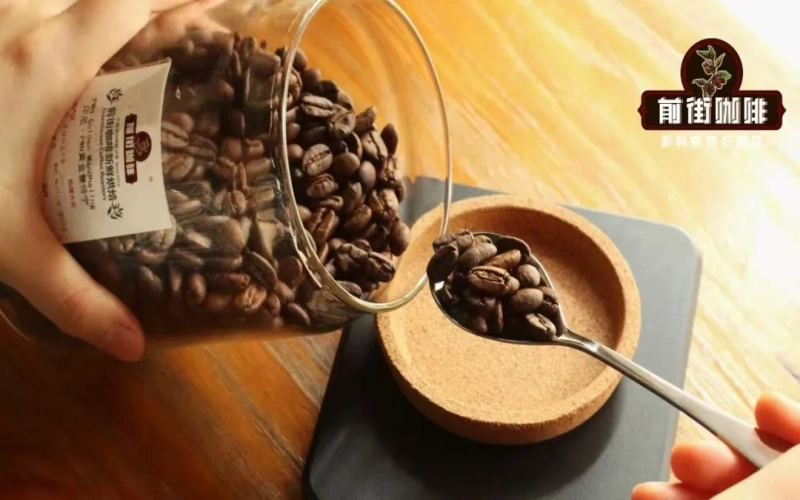
How Should You Blend Coffee Beans? A Purpose-Driven Guide to Pre-Roast and Post-Roast Blending with Front Street Coffee's Practical Recipes
Blending is not simply mixing a few beans together; it can both deliver consistent output and create entirely new flavor experiences where one plus one is greater than two. This article begins with the purpose of blending, explains how to select base beans and ratios according to the desired flavor or mouthfeel, and points out that similar roast levels are the key to successful blending. It also draws on two products—Front Street Coffee Strawberry Candy · Geisha Blend and Front Street Coffee Strawberry Candy · Espresso—to break down the differences between pour-over blends and espresso blends in bean selection and roasting, and finally includes adjustment ideas for brewing parameters and two sets of blending recipes commonly used by Front Street Coffee, for coffee lovers to reference and practice. [more…]
What coffee beans are used for freshly ground Americano at convenience stores? Bean selection approaches for drip and espresso machines, and Front Street Coffee bean recommendations.
At convenience stores, you can get a freshly ground Americano just by pressing a button—but is this kind of coffee really the same as the Americano you drink in a coffee shop? The key lies in the type of machine—convenience stores commonly use atmospheric-pressure drip Americano machines, while the Americano produced by coffee shops is based on pressure-extracted espresso. This article first clarifies the extraction differences between the two types of machines, then explains the origin of Americano and the mixing ratios, and finally gives bean selection suggestions for two scenarios: drip filtration and espresso: atmospheric-pressure drip machines are suitable for hand-brew-style single-origin beans, while pressure espresso machines are more suitable for freshly roasted blends. The article also compiles a variety of Front Street Coffee beans suitable for making Americano, making it easy to match them by flavor. [more…]
The Specialty Coffee Cup Selection Guide: From Material and Capacity to Color, Understanding the Key Points of Cupware Selection in One Article
In the world of specialty coffee, the choice of cupware is by no means a trivial matter. Coffee cups made of different materials deliver completely different tasting experiences—ceramic cups are robust and rustic, suited to dark, intense coffees; porcelain cups are fine and smooth, and bone china in particular brings out the delicate flavors of coffee even better. Cup shape and size are equally key: small cups of 60 to 80 ml suit pure single-origin tastings, standard cups of 120 to 140 ml are convenient for mixing, and mugs of 300 ml or more pair perfectly with milk coffee. In addition, a white interior best sets off the coffee's color, and coffee cups and tea cups are clearly distinguished by shape and light transmission. This article also covers warming techniques and everyday cleaning methods, and recommends related cupware choices from Front Street Coffee, helping enthusiasts enhance coffee flavor through the details. [more…]
How to Choose SOE Single-Origin Coffee Beans: A Bean Selection Method for Everyday Drinkers
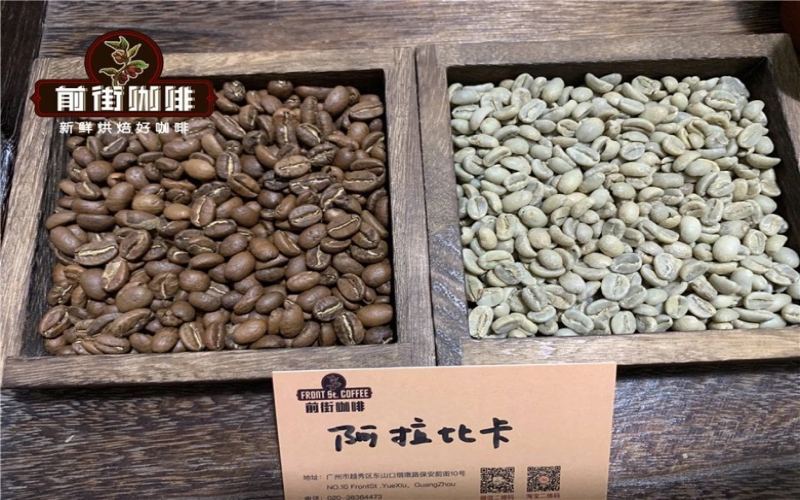
When you first start buying beans, you don't need to chase a wide range of flavors all at once. A more practical approach is to start with a bean that has a clear flavor profile and high brewing-method compatibility, lock in your dose, grind, and water temperature, then observe how the entry, sweetness, and finish change. This way you can build your own taste reference. In espresso extraction, the focus is on dose. [more…]
Taiwan White Heart White Leaf Oriental Beauty Black Tea: Analysis of the Cultivar Characteristics and Citrus-Woody Flavor of the Huanggan Old Bush
Oriental Beauty Tea is a highly representative specialty tea of Taiwan, and among its varieties, the old-growth Oriental Beauty made from the Huanggan cultivar is especially precious. Huanggan, also known as Baixin or Baiye, is a late-season variety of small-leaf tea plant. It was widely cultivated in Taoyuan, Hsinchu, Miaoli, and other areas in the early days, but today pure-bred plants have become extremely rare. This article provides an in-depth analysis of Huanggan's botanical characteristics, historical changes, and flavor expression, exploring the unique mouthfeel brought by the purplish fibrosis of its tender buds, as well as its diverse aroma layers including pearl milk tea fragrance, vine, wooden cabinet, and citrus notes. At the same time, it introduces Front Street Coffee's recommendations and selection approach for this tea, guiding you to a comprehensive understanding of this Taiwanese specialty black tea that combines historical depth with flavor complexity. [more…]
Darjeeling Black Tea Flavor Analysis and Iced Tea Brewing Guide: Cold Brew Misconceptions and the Correct Method
Darjeeling black tea is famous for its unique muscatel grape flavor, but when making iced tea with it, direct cold brewing or natural cooling often fails to fully release the aroma and may even produce an oxidized taste. Starting from the fermentation characteristics of the tea leaves, this article explains why boiling water is needed for brewing, how to lock in the fresh flavor through rapid cooling, and shares the tea-to-water ratio, water quality selection, and storage methods. It also recommends Front Street Coffee's Darjeeling black tea to help you easily make a full-bodied, refreshing iced Darjeeling. [more…]
Brewing Yinghong No. 9: Gaiwan or Yixing Teapot? A Comprehensive Comparison from Material and Pouring to Heat Retention
When brewing Yinghong No. 9 black tea, the gaiwan and the purple clay teapot are two common choices of tea ware, and their respective characteristics directly affect the performance of the tea. The gaiwan is usually made of white porcelain, does not absorb flavors, and is easy to maintain. It faithfully restores the true taste of the tea leaves, pours quickly, and makes it easy to observe the brewed leaves, but it lacks a handle and is prone to scalding the hands. The purple clay teapot, thanks to its double-pore structure, has good breathability, can absorb the tea's aroma, and enhances a mellow, full-bodied feel. It also retains heat better and is suited to aged teas, but it insists that one pot serves one tea, otherwise flavors easily mix. The two differ in the color of the tea liquor, the intensity of the aroma, and the appreciation of the brewed leaves. Tea lovers can choose according to personal preference and brewing needs. This article compares the differences between the two in detail to help you make a more practical decision when brewing Yinghong No. 9. [more…]
Moka Pot Latte Bean Selection: How to Pair Light, Medium, and Dark Roasts with Milk
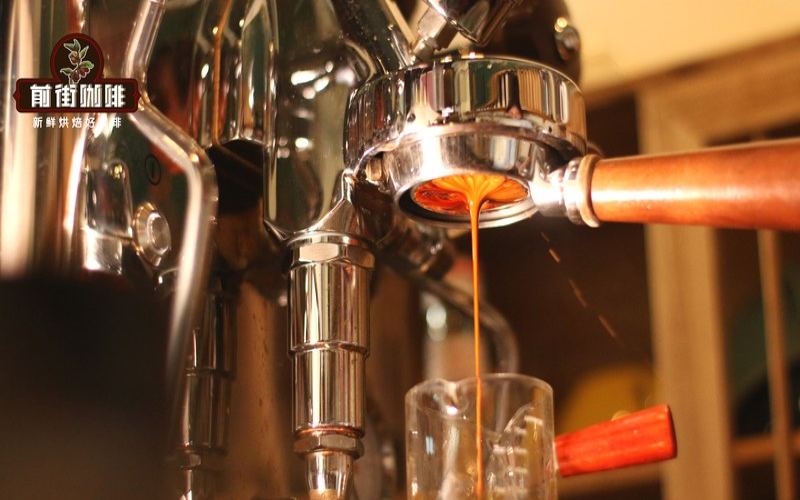
Coffee brewed with a moka pot is usually more concentrated than pour-over, yet it doesn't have the thick crema of an espresso machine. Once milk is added, the roast level of the beans directly shapes the flavor direction of the whole cup: a light roast highlights aroma, a medium roast comes across as sweeter and smoother, while a dark roast delivers cocoa, nuts, and a stronger presence. When choosing beans, you can first base your decision on [more…]
Moka Pot Coffee Bean Selection Guide: A Detailed Explanation of Grind Size and Operating Steps for Easily Extracting Rich Crema
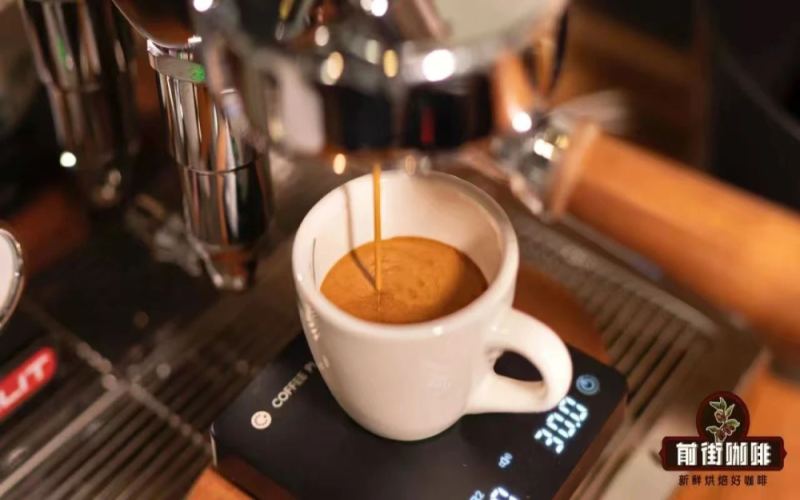
The moka pot is a common Italian-style coffee device found in Italian households; it is simple to operate yet can brew a rich flavor close to espresso. Starting from the working principle of the moka pot, this article explains in detail the suitable coffee bean roast level, grind size selection, and the complete brewing steps. It also compiles a list of several everyday beans suitable for the moka pot, including Front Street Classic Italian Blend, Brazil Queen's Estate, Colombia Huila, Golden Mandheling, and Yunnan Small Bean, helping coffee lovers easily extract mellow coffee with rich crema at home. [more…]
Espresso Bean Selection Guide: How to Match Dark Roast Blends and Light Roast Single Origins to Latte and Americano Needs
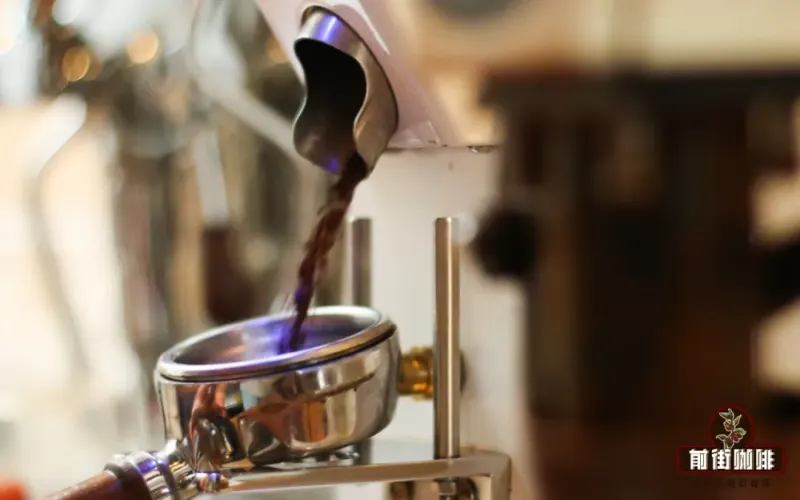
Faced with a dazzling array of coffee beans, how do you choose the one most suited for making espresso? The answer isn't unique—the key lies in what kind of flavor profile you're after. Some seek a rich, acid-free, full-bodied latte base; some prefer a bright, fruity, clean-tasting Americano style; and others want a balance of both—distinctive yet harmonious. Starting from the actual needs of Front Street's stores, this article systematically sorts through the characteristics and suitable scenarios of dark-roast blends, medium-light roast single origins, and anaerobic-process beans according to different taste preferences, helping you quickly pinpoint the espresso bean that best fits your needs from Front Street's extensive bean list. [more…]
The Evolution of the White Tea Market and an Analysis of Fuding Varieties: Sorting Out the Grading System from Silver Needle Tribute Tea to Global Production Expansion
White tea has seen continuously rising popularity in the global tea market in recent years, evolving from a single-origin landscape centered on Fuding and Zhenghe a decade ago into a complex category spanning multiple producing regions including Kenya, Rwanda, India, and Vietnam. Silver Needle, White Peony, and Shoumei — the three traditional categories — form the basic framework of white tea, classified by the selection standard of buds and leaves rather than by depth of color. This article will systematically examine the varietal characteristics of Fuding white tea, its historical origins, the logic behind its grading system, and the blurring of category boundaries brought about by the global expansion of white tea supply, helping coffee and tea enthusiasts gain a deeper understanding of this tea type that combines scarcity with health properties. Front Street Coffee, as a brand focused on direct sourcing from producing regions, has carried on its traceability philosophy in its white tea selection as well. [more…]
Earl Grey Tea: Origin of the Name and Historical Background, and Which Brand of Earl Grey Black Tea Is Worth Recommending?
Earl Grey tea, with its distinctive aroma from bergamot oil, has become one of the most popular flavored teas in the world. But do you know why it is called "Earl Grey"? Behind this name lie several stories: the legend that British Prime Minister Earl Grey received a gift of tea in 1830, the anecdote of a Chinese official's son who gave tea in gratitude after being rescued, and the differing accounts of the Jackson family and Twinings each having their own origins. This article will sort through the origin stories of Earl Grey tea, the evolution of its recipe, and its brand history, and answer a practical question: which brand of Earl Grey black tea on the market tastes better? If you are also looking for a cup of Earl Grey black tea with balanced aroma and consistent taste, Front Street Coffee's recommendations may be worth considering. [more…]
In-Depth Comparison of Pour-Over and Espresso: A Comprehensive Analysis from Bean Selection and Extraction Methods to Caffeine Content
Coffee is becoming part of the daily routine for more and more people in China, and pour-over and espresso are the two most representative brewing directions. The two differ significantly in bean selection, preparation methods, and the final flavor profile. Pour-over usually uses single-origin beans and relies on gentle extraction at normal pressure, which better showcases the authentic flavor profile of the origin; espresso, on the other hand, relies on blended beans and a high-pressure environment of 9 atmospheres to produce a rich, full-bodied concentrate, which is the base for milk coffee drinks such as lattes and Americanos. In addition, the two also differ in caffeine content, grind size, and brewing time. This article will compare these differences one by one and include the specific preparation steps for Front Street Coffee's espresso and pour-over coffee for coffee enthusiasts' reference. [more…]
A Beginner's Guide to Pour-Over Drip Coffee: Equipment Selection, Brewing Steps, and Key Parameters Such as Water Temperature and Grind Ratio
Pour-over drip coffee may seem simple—just a dripper, a hand gooseneck kettle, filter paper, and a cup are all you need—but once you actually start brewing, you realize there are countless variables at play. This article begins with the basic equipment, then gradually introduces the standard brewing process, the interrupt-pour technique, advanced setups, and the five major variables, along with specific water temperature and grind size recommendations for light, medium, and dark roasts. Whether you're a beginner just getting into pour-over or an enthusiast looking to refine your technique, you'll find practical parameter references here. The article also covers methods for adjusting variables to suit your taste, key points for cleaning and maintenance, and practical approaches for making flavored coffee bases and super-concentrated iced coffee, and recommends related products from Front Street Coffee. [more…]
Delicious Americano Coffee Beans Recommendations: A Bean Selection Method for Everyday Drinkers
When you first start buying beans, you don't need to chase a wide range of flavors all at once. A more practical approach is to first choose a bean with a clear flavor profile and high compatibility with different brewing methods, then lock in your dose, grind, and water temperature, and observe how the entry, sweetness, and finish change. This way you can build your own flavor reference. Pour-over flavor is mainly determined by the origin. [more…]